
Two dresses can list the exact same size and measurements and still fit completely differently on your body. The reason is almost always the fabric. A top made from stretchy knit and a top made from a crisp woven material respond to your body in opposite ways, and knowing which one you are looking at is one of the most helpful sizing skills you can build. For anyone ordering tops and dresses from Shein, learning to tell stretch from rigid fabric turns a lot of coin flips into informed decisions.
What Stretch and Rigid Actually Mean
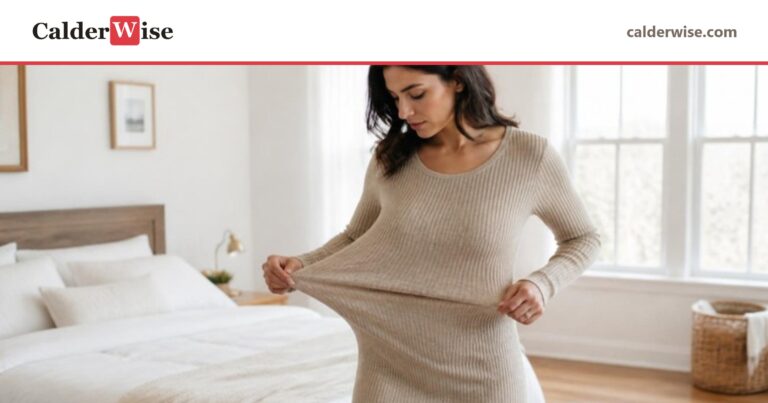
A stretch fabric, often a knit such as jersey, rib, or a blend containing elastane or spandex, expands when pulled and returns to its shape afterward. It moves with your body, adapts to small differences in size, and generally feels forgiving. A rigid fabric, usually a woven material like poplin, chiffon, satin, or denim without elastic content, has little to no give. It holds the shape it was cut in, which means the measurements printed on the chart are the measurements you will actually experience. If your body sits even slightly larger than the garment in a key area, you will feel it right away.
Neither type is better than the other. Stretch fabrics are comfortable and flexible, while rigid fabrics offer structure, drape, and a polished look. The point is to match the fabric to your measurements and your expectations, instead of assuming that every size medium behaves the same way.
Where to Find the Fabric Details
On a product page, scroll to the description or product details section and look for the material composition. Percentages listing polyester, cotton, viscose, elastane, or spandex tell you a lot. A fabric that includes a noticeable share of elastane or spandex will usually stretch, while one made entirely from a single woven fiber likely will not. Many listings also include a stretch label, using terms such as no stretch, slight stretch, medium stretch, or high stretch. Treat those labels as helpful guides, but confirm with review photos, because a rating that looks generous in a description can feel different once the garment is on.
How Each Fabric Changes Your Size Choice
With stretchy tops and dresses, you often have flexibility. If your measurements fall between two sizes, the smaller size usually gives a close, flattering fit, while the larger one gives a relaxed look. Either can work, so your preference decides. Knit pieces also tend to be forgiving across the bust and hips, though thin knits can cling to areas you may not want emphasized, so consider the weight of the fabric as well.
With rigid fabrics, the larger size is generally the safer choice when you land between two. The reason is simple: a stretch garment can adapt to extra room, but a rigid one cannot adapt to missing room. Pay extra attention to areas where you move the most, such as the bust and upper back on a fitted blouse, or the hips and seat on a pencil style dress. A rigid piece that fits perfectly while standing can feel restrictive when you sit, reach, or raise your arms.
Quick Self-Check: How Will You Actually Move in It?
Before you finalize a size, picture a normal day wearing this piece. Will you be driving, typing, carrying a bag, or hugging a friend hello? Can you picture reaching for something on a high shelf without the seams pulling? Do you want a dress that hugs your waist, or one that lets you eat a full dinner without adjusting it? If you hesitate on any of these questions and the fabric has no stretch, order the size with more room. If the fabric stretches well, the closer size is a safer bet because the material will give where you need it.
Other Clues That Affect Fit
Lining can change how a garment behaves. A lined dress in a stretchy outer fabric may still feel restricted if the lining itself does not stretch, so check whether the listing mentions it. Details like a zipper, button closure, or fitted bodice with boning point toward a structured piece that will not forgive a poor size choice. In contrast, wrap styles, tie fronts, elastic waists, and smocked backs build in adjustability and tend to suit a wider range of bodies.
Fabric weight matters too. Lightweight, thin material may show every line and cling more with a smaller size, while heavier material gives a smoother surface and holds its shape. Customer photos taken in natural light often reveal how a fabric really behaves, including whether it is sheer, clingy, or stiff.
Reading Reviews for Fabric Behavior
Reviews are the best way to check what the description promises. Look for phrases such as “very stretchy,” “no give at all,” “runs tight in the arms,” or “fabric is thinner than expected.” When several buyers describe the same quality, you can trust it. Also check how tall the reviewer is and which size they ordered, so you can compare against your own measurements and preferred fit.
How can I tell if a Shein item is stretchy?
Check the material composition for elastane or spandex, look for the stretch label in the product details, and confirm with buyer photos and review comments.
Should I size up for non-stretch fabric?
If your measurements fall between two sizes, the larger size is usually safer for rigid fabric because it has no ability to expand. Check the chart on the official product page.
Does stretch fabric always fit everyone?
No. Stretch gives flexibility but does not remove the need to compare your measurements with the chart. Very small or very large gaps can still lead to a poor fit.
Why does the same size feel different in two dresses?
Fabric, cut, lining, and construction all affect fit. A size label is only a starting point, so read the details of each listing separately.
Bottom Line
Fabric decides how forgiving a size will be. Look for the material composition and stretch label, size up on rigid pieces when you are between sizes, trust close fits on stretchy knits, think through how you will move in the garment, and use reviews to check what the description claims. Confirm the final details on the official Shein product page before you buy.
Calderwise participates in affiliate programs, including with Shein. If you make a purchase through a link on this page, we may earn a commission at no extra cost to you. This article is independent editorial content and is not officially affiliated with Shein.
Published by the Calderwise Editorial Team.