

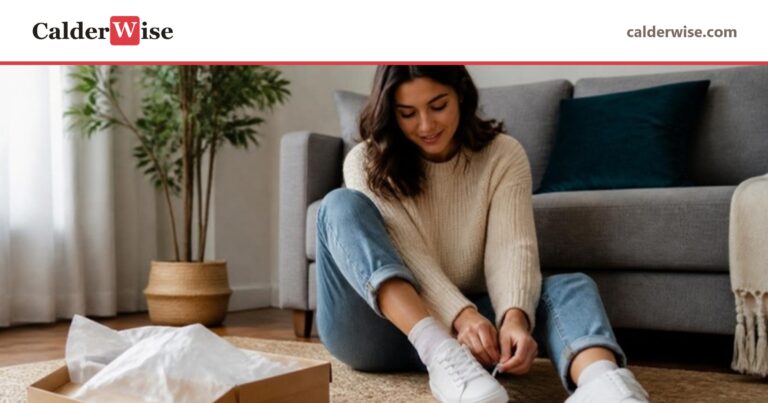
Clothing sizing gets most of the attention in conversations about Shein, but shoes come with their own separate set of quirks, and getting them wrong is a lot more frustrating than a shirt that’s slightly snug. A dress that runs a little tight can still be worn around the house or altered by a tailor. A pair of shoes in the wrong size usually just sits in the closet unworn, which makes taking a few extra minutes on the sizing step especially worthwhile before you check out.
Why Shoe Sizing Behaves Differently Than Clothing
Footwear sizing across international retailers tends to be even less standardized than clothing sizing, because shoe forms (called lasts) vary by manufacturer, region, and style in ways that go beyond a simple small-medium-large scale. Shein’s shoe listings typically show a US size option alongside a corresponding foot length in centimeters or inches, and that foot length measurement is generally the more trustworthy of the two, since the same “US size” label can be built on a slightly different last depending on the shoe’s style and manufacturer.
How to Measure Your Foot Correctly
Measuring your own foot length takes only a couple of minutes and removes most of the guesswork. Stand on a piece of paper against a wall, keep your weight evenly distributed, and mark the tip of your longest toe and the back of your heel. Measure the distance between the two marks in centimeters, since that’s the unit most shoe charts use as their primary reference point. It’s worth doing this in the evening, since feet naturally swell slightly over the course of a day, and worth measuring both feet, since it’s common for one to be very slightly longer than the other.
- Measure standing, not sitting, since your foot spreads slightly under body weight.
- Measure both feet and use the larger measurement as your reference number.
- Compare that number directly to the shoe’s own foot-length chart, not just the US size label.
- Account for socks or insoles you plan to wear with that specific shoe style.
Where Fit Problems Show Up Most in Shoes
Width is the issue that trips up the most shoppers, since a shoe can be the correct length in centimeters but still feel tight across the widest part of the foot if the last was built narrower than what US shoppers are typically used to. Toe box shape is another common culprit. Shoes designed with a narrower, more pointed toe box will feel tighter than a rounder design even at an identical length measurement. Sandals and open styles tend to be more forgiving here, since there’s more room to adjust with strap fit, while closed sneakers and flats are the styles where a length-only comparison is most likely to lead you wrong.
Is Your Usual Shoe Size the Right Reference Point Here?
Before you pick a size from the dropdown, ask yourself something specific to the shoe in front of you: is this a snug, closed-toe style where width really matters, or an adjustable, open design where a slight length mismatch is easy to correct with a strap? If it’s the first kind, relying purely on your everyday US shoe size without checking the centimeter chart is exactly the situation most likely to end in a shoe that looks right online and pinches in person.
What to Do If Your Foot Falls Between Two Sizes
When your measurement lands between two listed sizes, the safer general approach for closed shoes is sizing up rather than down, since a shoe that’s very slightly loose can be improved with a thicker sock or an insole, while a shoe that’s too tight has far fewer easy fixes. For sandals and other adjustable styles, sizing to the closer, smaller option is often fine, since straps and closures can typically take up a bit of extra room. Reading a handful of reviews on that specific product for mentions of “runs narrow” or “true to size” adds one more useful data point before you decide.
Breaking In New Shoes Without Overdoing It
Even a correctly sized new shoe often needs a short break-in period before it feels fully comfortable, especially with structured materials that haven’t yet softened to the shape of your foot. Wearing new shoes around the house for short stretches before committing to a full day out is a simple way to catch a sizing issue early, while you’re still well within most return windows, rather than discovering the problem after several hours on your feet outside.
Should I trust the US size label or the centimeter measurement more?
The centimeter foot-length measurement is generally the more reliable reference, since the US size label can be built on different lasts depending on the shoe’s style and manufacturer, even within the same retailer.
Do Shein shoes run small overall?
There isn’t one fixed rule that applies to every style, since fit depends heavily on the specific shoe’s last and materials. Comparing your measured foot length to that product’s own chart is more reliable than assuming every pair behaves the same way.
What if a shoe fits in length but feels tight across the width?
This is one of the most common shoe-fit complaints and usually points to a narrower last than you’re used to. Checking reviews for width-related comments before ordering, and favoring styles with adjustable straps when width is a concern, can help.
Is it safe to size up for growing kids’ shoes?
A small amount of extra room is common practice for growing feet, but sizing up too aggressively can affect balance and comfort. Measuring the child’s foot directly and checking the specific kids’ shoe chart is more accurate than estimating based on age alone.
Bottom Line
Shoe sizing rewards a little extra care precisely because there’s so little room for adjustment after the fact. Measuring your own foot length, checking it against the specific product’s chart rather than a general US size label, and paying attention to width and toe shape are the habits that make the difference between a shoe you actually wear and one that sits in the closet.
Calderwise participates in affiliate programs, including with Shein. If you make a purchase through a link on this page, we may earn a commission at no extra cost to you.
Published by the Calderwise Editorial Team.