
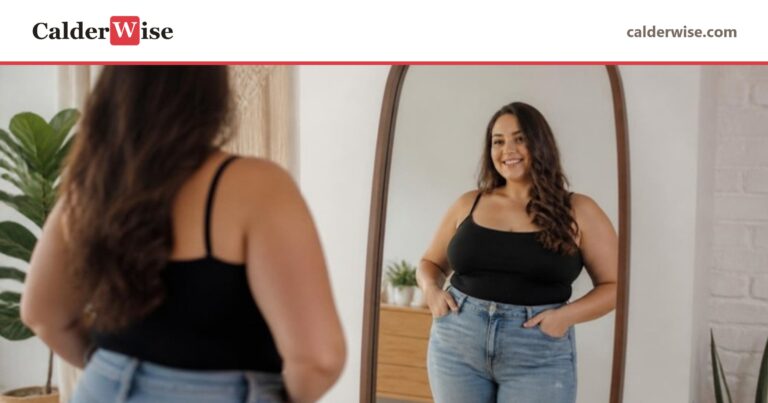
Shein’s Curve line has become one of the platform’s most searched categories, and for good reason: plus-size shoppers have historically had fewer affordable options online, and Shein markets Curve as a dedicated extension of its main catalog rather than an afterthought squeezed into a handful of styles. Whether it actually delivers a good fit is a separate question from whether it exists, though, and that’s the part most people actually want answered before they place an order.
What the Curve Line Actually Is
Curve is Shein’s plus-size division, generally covering a wider range than the standard sizing offered on the platform’s main clothing lines, with many styles mirroring popular cuts from the regular catalog rather than being designed as entirely separate garments. That approach has upsides and downsides. On one hand, it means Curve shoppers get access to trend-driven styles at the same fast pace as everyone else on the platform. On the other hand, a garment originally patterned for a narrower size range and then graded upward doesn’t always translate perfectly, which is a common complaint in fit-focused reviews of the line.
Where Fit Tends to Work Well
Looser silhouettes tend to be the safest bet within Curve: oversized tops, wrap dresses, flowy skirts, and anything with adjustable elements like ties, elastic waistbands, or drawstrings generally accommodate a wider range of body shapes without needing a perfect match to the size chart. These styles absorb small sizing inconsistencies more gracefully than fitted pieces do, which is part of why they show up so often in positive fit reviews.
Where Fit Tends to Get Complicated
Structured or fitted pieces are where reviewers report the most inconsistency: bodycon dresses, tailored blazers, and anything relying on precise proportions between the bust, waist, and hip measurements. Because Curve sizing sometimes assumes a fairly standard hourglass proportion scaled upward, shoppers whose proportions differ from that assumption more often report a fit that doesn’t quite match what the product photos suggested. Jeans and structured bottoms draw a similar pattern of feedback, since waist-to-hip ratio varies more between individuals than a single size chart can fully capture.
A Fit Breakdown Worth Doing Before You Buy
Take a moment to think honestly about your own body: are your proportions close to a standard hourglass ratio, or do you tend to carry more of your size specifically in your bust, waist, or hips relative to the rest of your frame? If your proportions vary noticeably from a fairly even distribution, prioritizing looser, adjustable styles from Curve will likely serve you better than fitted pieces, at least until you’ve tested a couple of orders and learned how a specific style category runs for your shape.
How to Actually Use the Size Chart
The single most useful habit for Curve shoppers is measuring yourself directly rather than relying on your usual size label, since sizing in fast fashion generally does not match traditional retail sizing, and Shein’s Curve chart is no exception. Comparing your actual bust, waist, and hip measurements in inches or centimeters against the specific chart listed on each product page, rather than assuming your regular size will transfer over, meaningfully reduces the odds of an order that doesn’t fit. It’s also worth reading the most recent reviews on a listing, since some categories within Curve run noticeably small or large compared to the general chart, and recent buyer feedback tends to reflect the current batch of a given style more accurately than the chart alone.
| Style type | Typical fit reliability |
|---|---|
| Loose tops and dresses | Generally reliable |
| Wrap and adjustable styles | Generally reliable |
| Bodycon and fitted dresses | More inconsistent |
| Structured jeans and bottoms | More inconsistent |
None of this means Curve isn’t worth trying. It generally means going in with realistic expectations about which categories are more forgiving, measuring carefully instead of guessing, and treating the first order or two as a way to learn how a specific style category fits your particular shape before committing to a larger haul.
Does Shein Curve run true to size?
It varies by style rather than running consistently one way across the whole line. Loose and adjustable pieces tend to fit closer to the listed chart, while fitted and structured pieces are more likely to run differently than expected, so checking recent reviews on the specific item is worth the extra minute.
What size range does Curve typically cover?
Curve generally extends further than Shein’s standard sizing, though the exact range varies by category and individual product, so checking the size chart listed directly on each item is more reliable than assuming a fixed range across the whole line.
Should I size up in Shein Curve?
There’s no single rule that applies to every style. Some fitted categories genuinely run small enough that sizing up helps, while looser styles often fit as listed. Reading recent buyer photos and comments on the specific product is a more reliable guide than a blanket sizing rule.
Are Curve returns handled the same way as regular Shein orders?
Return policies generally follow the same standard terms as the rest of Shein’s catalog, though specific promotions or final-sale items can carry different rules, so it’s worth checking the return window on the product page before ordering.
This article is independent editorial content and is not officially affiliated with Shein. Calderwise participates in affiliate programs, including with Shein. If you make a purchase through a link on this page, we may earn a commission at no extra cost to you.
Published by the Calderwise Editorial Team.