
Jeans and pants are the hardest category in clothing to get right, even in a fitting room with a mirror. Ordering them online adds more variables: waist, hips, thighs, rise, inseam, and fabric stretch all have to line up at the same time. A single miss in any one of them can turn a promising pair into something that gapes, pinches, or puddles around your shoes. If you plan to order jeans or trousers from Shein, a clear method will help you narrow down the right size before you ever press the checkout button.
Know Which Measurements Actually Decide Pants Fit
Waist and hips are the obvious starting points, but they are rarely the whole story. Thigh room decides whether a pair feels comfortable when you sit, and rise decides where the waistband lands on your torso. Inseam determines whether the hem sits at your ankle, your shoe, or the floor. If you have a pair at home that fits you well, lay it flat and measure the waist across, the rise from crotch seam to top of waistband, the thigh, and the inseam. These garment measurements give you a ready-made benchmark to compare against the dimensions listed on the product page, and they are usually more reliable than guessing from a size label.
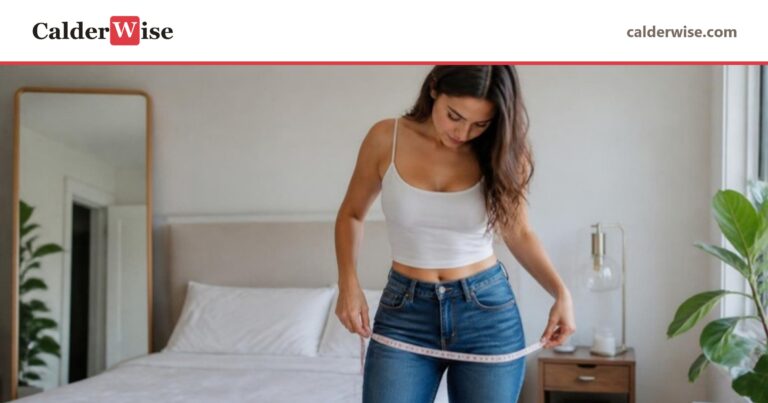
If the listing provides only body measurements instead of garment dimensions, take your own body readings with a soft tape, as you would for any other clothing, and compare them to the chart. Check which type of number the chart lists before you compare anything, since mixing up body and garment measurements is a common reason for a bad fit.
Understanding Rise and Why It Changes Everything
Rise describes how high or low the pants sit on your body. A low rise sits near the hips, a mid rise lands somewhere around the lower stomach, and a high rise reaches near or above the navel. Two pairs with identical waist measurements can feel completely different depending on rise, because the waistband sits on a different part of your torso, and your body is not the same width at every point. If you have found a rise that is comfortable for you, stay close to it when ordering new pairs. If a listing says high waist and you usually wear mid rise, expect the waistband to feel higher than you are used to, and the pocket and zipper placement to feel different as well.
Stretch Content in Denim and Trousers
Fabric content shapes sizing just as much as measurements do. Denim with elastane or spandex has give and can move with you, while rigid denim holds its shape and may need more room in the thighs and hips. Dress trousers made of woven fabric with no elastic content will not forgive a snug waist. Look at the composition on the listing: more stretch generally means more flexibility between sizes, while no stretch means your numbers need to clear the chart with a margin of comfort.
Quick Self-Check: What Matters Most to You?
Before choosing a size, pause and ask yourself which part of a pair of pants bothers you most when it is wrong. Is it a waistband that digs in after lunch, thighs that feel tight when you sit, or a hem that drags across the pavement? Do you usually need to hem or alter pants because you are on the shorter or taller side? Do you wear pants with a belt, or do you need them to stay in place without one? Your answers tell you which measurement should take priority when two sizes seem close, and they will help you read the chart with a purpose instead of simply hoping for the best.
Handling Length and Inseam
Length is easy to overlook until a pair arrives. Look for an inseam listing or a length measurement and compare it with the inseam of pants you already own. Also consider the style: cropped cuts are designed to show the ankle, wide leg styles often look best when they nearly touch the floor, and straight legs usually fall at the top of the shoe. If you are taller or shorter than average, reviews from shoppers with a similar height will tell you whether the length runs long or short. When a listing offers regular, petite, or tall options, follow the one that matches your height instead of settling for the standard length.
Reading Reviews for Pants
Reviews are often the best source of information for pants. Search for comments about the waist, thigh, rise, and length, and look for photos that show how the pair sits when standing and sitting. Phrases such as “tight in the thighs,” “gaps at the back of the waist,” or “true to the chart” are useful clues. If several shoppers with a body type similar to yours reached the same conclusion, trust that pattern. Remember that jeans often soften and relax with wear, so a pair that feels firm on day one may loosen slightly, while a pair that is already loose is unlikely to tighten.
What is the best way to compare pants sizes online?
Measure a pair that already fits you and compare those garment dimensions with the numbers on the product page. This is usually more accurate than relying on size labels.
Should I size up for jeans without stretch?
If you are between sizes, the larger one is often safer for non-stretch denim, especially if you need room in the thighs or hips. Confirm details on the official product page.
How do I choose the right length?
Compare the listed inseam with a pair you own and like, and consider the style. Reviews from shoppers of a similar height can show whether a pair runs long or short.
Why do two pairs in the same size fit differently?
Cut, rise, fabric, and construction all vary. Treat each listing as separate and read its own chart and details.
Bottom Line
Pants fit comes down to a few measurements working together. Use a pair you already love as your benchmark, pay attention to rise and stretch, decide which problem bothers you most, and check inseam against your height. Then read reviews for patterns and confirm the final details on the official Shein product page before ordering.
Calderwise participates in affiliate programs, including with Shein. If you make a purchase through a link on this page, we may earn a commission at no extra cost to you. This article is independent editorial content and is not officially affiliated with Shein.
Published by the Calderwise Editorial Team.