
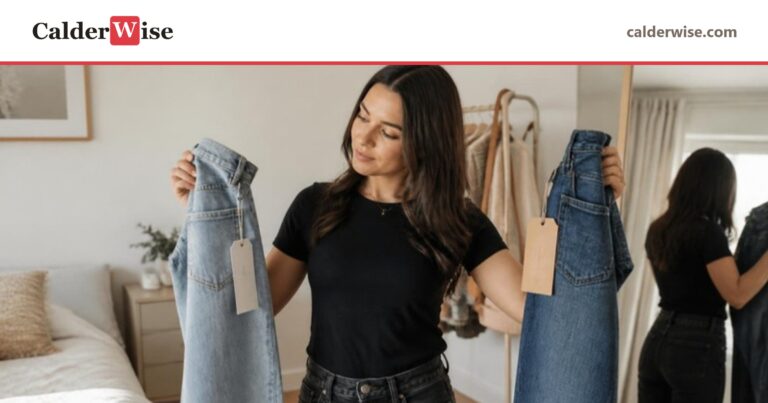
Shopping on Shein for the first time after years of buying from mall staples like Old Navy, Gap, or Target can be a strange experience once the package actually arrives. The item looks right in the photos, the price was reasonable, and you picked the size you always wear. Then you try it on and something feels off: a shirt runs snug across the shoulders, a pair of pants sits higher than expected, or a dress that should have been loose fits more like a second skin. None of this means you measured wrong or that the item is defective. It usually means the sizing system behind the label doesn’t map onto US standard sizing the way you’d assume.
Understanding why that happens, and what to do about it, makes the difference between a closet full of pieces you actually wear and a drawer of things you ordered once and never touched again.
Why Shein’s Numbers Don’t Line Up the Way You’d Expect
Shein is a global retailer that designs and manufactures at enormous scale across many factories and product lines, rather than following one single, unified size block the way a single domestic brand typically does. Because of that, a size label on one Shein garment can be cut from a slightly different pattern than the same label on another, even within the same order. On top of that, a lot of Shein’s base sizing leans toward standards that were developed for Asian markets before being adapted for international shoppers, which is part of why the brand has built a reputation for running smaller through the shoulders, bust, and waist than typical US retailers. None of this is a flaw exactly, it’s just a different starting point, and it means a label alone can’t tell you as much as it would on a familiar US brand.
Letter Sizes, Numeric Sizes, and What Actually Changes
Most Shein listings use familiar-looking labels like S, M, L, or numeric options like 4, 6, 8, but the actual garment measurements behind those labels commonly skew tighter than a US shopper would expect from the same label at a store like Target or Kohl’s. As a general pattern, shoppers who normally wear a US medium in a fitted top often find that a Shein large fits closer to how their usual medium would, and something similar tends to show up in numeric sizing for pants and skirts. This isn’t a fixed rule you can apply to every single item, since cut and fabric change the outcome, but it’s common enough that going up one size from your usual US size is a reasonable starting assumption for fitted pieces, while looser, oversized styles need less adjustment.
A few patterns worth keeping in mind while you shop:
- Structured or fitted items (blazers, bodycon dresses, tailored pants) tend to show the biggest gap from US sizing.
- Loose, relaxed, or oversized styles (graphic tees, wide-leg pants, hoodies) are far more forgiving and closer to what a US size label would suggest.
- Stretch fabrics like knits and jerseys have more built-in flexibility than woven, non-stretch fabrics.
- Shoes and outerwear behave differently from soft goods and deserve their own separate check every time.
Where the Gap Shows Up Most in Practice
The mismatch tends to be most noticeable in the areas of a garment with the least stretch: shoulder seams, sleeve openings, and waistbands on rigid fabrics. A cotton t-shirt with a bit of spandex blended in will usually forgive a size that’s slightly off, while a structured blazer or a pair of denim jeans without stretch will show every inch of difference. Dresses and jumpsuits sit somewhere in the middle, since the fit depends heavily on where the garment is cut close to the body versus where it’s designed to hang loose. This is exactly why two items with the same size label from the same brand can fit completely differently once they’re actually on.
Quick Gut-Check: Would Your Usual Size Actually Work Here?
Before you check out, ask yourself something specific to the item in your cart: is this a fitted piece where every inch matters, or a relaxed style with room to spare? If it’s fitted and you’re used to sizing down for a snug look at other stores, that instinct will likely work against you on Shein. If it’s an oversized or loose-fit style, your normal US size is far more likely to behave the way you expect. Taking ten seconds to answer that question honestly, for the specific item in front of you rather than for Shein as a whole, is often the single most useful step in the entire process.
A Simple Approach to Ordering With Confidence
The most reliable method isn’t memorizing a fixed conversion between US sizes and Shein labels, since that relationship shifts from item to item. Instead, it helps to treat every product page as its own small research project. Pull out a soft measuring tape, take your own bust, waist, hip, and shoulder measurements once, and keep them saved somewhere handy on your phone. Then compare those numbers directly against the specific garment’s measurement chart on the product page rather than relying on the S/M/L label alone. It takes an extra minute per order, but it consistently produces a better result than guessing from habit.
Does Shein sizing run the same across every product category?
No. Fitted clothing, shoes, and outerwear each tend to have their own quirks, and even two dresses from the same collection can be cut differently. Checking the individual product’s size chart is more reliable than assuming one rule applies everywhere.
Should I always size up when ordering from Shein?
Not necessarily. Sizing up is a reasonable starting assumption for fitted, non-stretch pieces, but oversized and loose-fit styles are usually closer to standard US expectations. The safest approach is comparing your own measurements to the listed chart for that specific item.
Why did two items in the same order fit so differently?
Different garments, even within one order, can come from different production runs or fabric blends, which changes how they’re cut. This is common with large, multi-category retailers and is part of why relying on a single size label across an entire order isn’t a dependable strategy.
Are Shein’s measurements in inches or centimeters?
Many listings show both, but the primary unit can vary by product. It’s worth confirming which unit you’re looking at before comparing it to your own measurements, since mixing up inches and centimeters is an easy way to end up with the wrong size.
Bottom Line
Shein sizing isn’t broken or random, it’s simply built on a different foundation than the US retailers most shoppers grew up with. Once you stop relying on the letter or number on the label and start checking each item’s actual measurements against your own, ordering the right size becomes a lot less like guesswork and a lot more like a quick, repeatable habit.
Calderwise participates in affiliate programs, including with Shein. If you make a purchase through a link on this page, we may earn a commission at no extra cost to you.
Published by the Calderwise Editorial Team.